The Free Methodist Church, like many Methodist denominations rooted in the historic orders of the Church, has the offices of Deacon, Elder (Pastor/Priest) & Bishop. These roles of servant leadership are seen instituted by and through the Apostles in the book of Acts, and through the epistles of the New Testament to see Christ’s Church function.
The role of Elder (presbyter from the Greek presbyteros) is the role we see most spoken of by St. Paul is his pastoral epistles as he is often writing to churches in need of issues resolved. Through his writings we see the outline of the role, and the qualifications needed for such a role (1 Timothy 3). We also see elders working in conjunction with the Apostles in Acts 11:30.
The next role that is often closely associated with elders is that of the overseer, from the Greek word episkopos, which is where we derive the term episcopal, and the title Bishop from. In the New Testament this term seems to be used interchangeably. What we do see early in Church history is this role being that of the chief elder selected to oversee a given church of a city, and would have been selected from among the elders of that city. This has been carried on through Church history to this day where the Bishop oversees a collection of churches, often in a geographical area providing oversight to the elders, deacons and parishioners within, sometimes called the chief pastor.
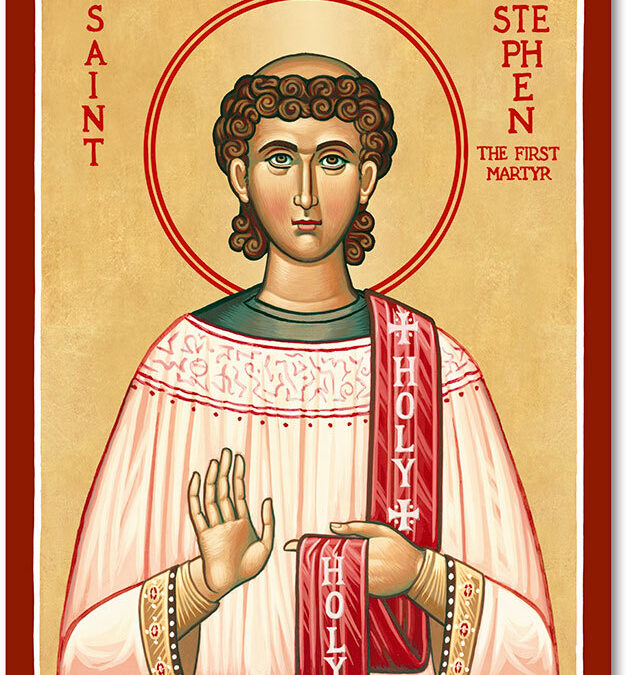
The final role is that of a deacon. Which arises very quickly in the narrative of Acts 6:1-4, “In those days when the number of disciples was increasing, the Hellenistic Jews among them complained against the Hebraic Jews because their widows were being overlooked in the daily distribution of food. So the Twelve gathered all the disciples together and said, “It would not be right for us to neglect the ministry of the word of God in order to wait on tables. Brothers and sisters, choose seven men from among you who are known to be full of the Spirit and wisdom. We will turn this responsibility over to them and will give our attention to prayer and the ministry of the word.”
This role of deacon, created from the need for service in the Church, like the others has been carried on through the Church in a variety of ways to serve the body. Historically the diaconate is a role that seems to be a stepping stone for those pursuing elders orders, but otherwise is a position that is dedicated to the long-term care of the congregation, especially in polity situations where there is frequent rotation of clergy. (see my previous post on deacons).
This then brings us to the question of deacons in the Free Methodist Church.
You might be surprised to find out that they do actually exist!
Found in our Book of Discipline, ¶6600: Consecrated Deacons are members in good standing in the Free Methodist Church. They are persons of good reputation, full of wisdom and the Spirit, whose spiritual gifts from God have been confirmed by their societies. In response to God’s call on their lives, Consecrated Deacons offer servant leadership in particular areas of congregational life, according to the gifts and graces God has given and they have developed. Complementing the work of elders, Consecrated Deacons serve the Society by assisting and leading the membership to carry out its ministries to one another and the world.
There is more the BOD says about the role, particularly this: Consecrated Deacons remain members of the local Free Methodist church with no official standing in the annual conference. Consecrated Deacons may therefore serve as lay delegates to annual conference and General Conference.
Historically the role of Deacon has been a Holy Order along with being an Elder and Bishop. Ordained as such for ministry, a foot in both the world (congregation), and as clergy in their own way. In keeping with the Scriptural work deacons were created to fulfill, this is very often kept up in traditional expressions of the Chrisitan faith.
All that being said. I have never met a Free Methodist Deacon. (If you are one, I’d love to meet you!!)
What’s unfortunate is that as a denomination, we are missing a core Scriptural role and position that Christ, in His wisdom through the Apostles has blessed us with so that those who serve as Elders can focus on their distinct roles to serve the Body of Christ.
We in the Free Methodist Church need a revitalization of the diaconate. Why? Not only because it is found in Scripture and in the long tradition of the Church, but I believe it is one of the solutions to the clergy burnout crisis. Pastors are often saddled with so many tasks which may include visits and other elements of ministry of mercy and presence. And that’s not to say those of us with Elders Orders shouldn’t do that, we need to. But in some cases, there are pastors who are saddled with a large load of the work that Christ intended for Deacons to take.
Another aspect we might not be considering is in regards to the involvement of our laity. How many people do we have in our churches who feel a call to some kind of ministry, but all we really have to present them is to “become an ordained pastor”. But what if that’s not what they are called to, but rather feel the pull into the diaconate, but we are unaware and are not making use of this so important but unused role?
A final note I will make is I feel we have done a disservice in removing the diaconate from its historic placement in the ordination process of clergy. Historically, as it is also done in traditional expressions of the faith today, those pursuing Elder’s orders, as a part of the process, actually become deacons. It is during this time they serve in that role in serving the flock as they continue the process towards becoming an Elder.
In our current Free Methodist situation, the role of deacon has been seemingly separated from this historic track unless someone feels otherwise called or can’t carry on pursuing Elder ordination for some reason (see the rest of ¶6600 in the BOD). I’m not sure when or why this change was made in our polity, but I have a feeling it had subtle but noticeable detrimental effects. One possible suggestion would be to simply keep the process we have for ordination (LMC to CMC to Elder), but simply rename the CMC title to Deacon, to bring us back into historical alignment with the role, and modify the track to allow those to stay at that level if they feel it is their calling to ministry. And if someone then feels the call to remain in the diaconate, their membership can remain at the local level.
While some of this discussion may seem life insignificant squawking, we don’t often realize how changes from how things have been, even if they don’t seem important, can actually have major impacts down the road. And while the question of the diaconate seems like a small problem in a world gone mad, maybe the role Christ has given the Church to help serve the flock would help bring back some of our sanity to keep us going until He one day comes again.